ملخص
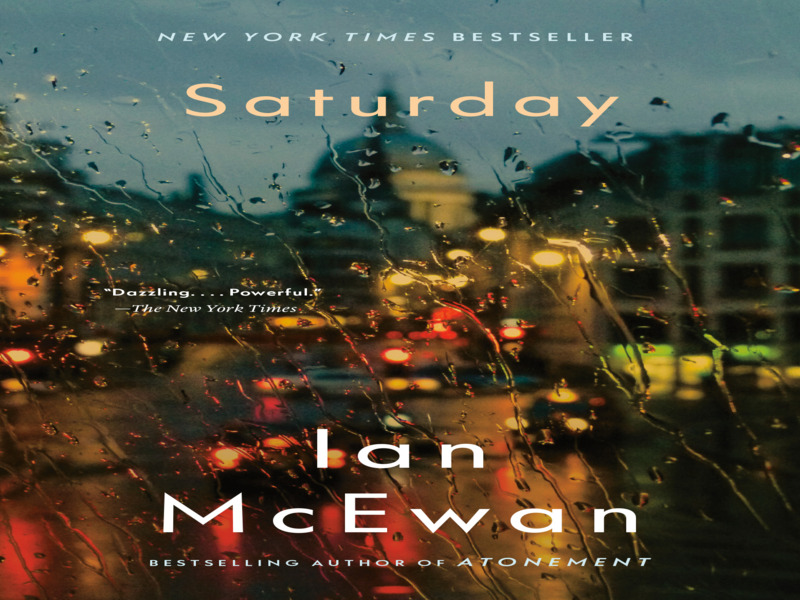
عندما تغتال ذوات “الغير” من قبل “الآخر”، بسبب ثقة المهيمن بامتلاكه الحق في قولبة العالم لما يحوزه من أدوات صلبة وناعمة، يُهمّش “الآخر”، وتتمظهر محنته في الخضوع. حينها، يغور في أعماقه، متسائلا عمّا غبر واندثر وما تبقّى من ذاتيته، وحينما تتاح له الفرصة لتنكيء جراحه، يُقدِم على ردّ فعل يعجز الواقع عن إدراكه أو استيعابه. ليس للعقل ولا للمعرفة أفكارا مثالية كما تصوّرها روّاد الحداثة، بل هي تراكيب اجتماعية لا تتأسس على منطق قابل للتعميم. ومن هذا المنطلق، توظّف هذه الورقة أطروحة ما بعد الحداثة في دحض فكرة “السرديات الكبرى”، وفق منطق محاكاة السياسة بالأدب، من خلال دراسة حالة رواية “السبت” لماك إيوان كنموذج، حيث يلتقي الخيال السياسي بالأدب لتقديم رؤية حول تجربة الصدمة التي خلّفتها أحداث 11 سبتمبر، والحرب التي شنتها الولايات المتحدة ضد الإرهاب، داخل الوعي الثقافي المشبع بالسرديات الكبرى، وهو وعي أنتج حالة نفسية عبّر عنها في ما بات يعرف بـ”الحزن ما بعد الاستعماري”. كما تسعى الورقة أيضا إلى بيان كيف يمكن للأدب أن ينتج جسرا للتفاوض والتوافق والأخلاق للتعاطف في شأن السياسة، دون الوقوع في فخ الرفض السلبي للآخر.
الكلمات المفتاح: الحداثة، ما بعد الحداثة، ما بعد الاستعمار، السلطة، المعرفة.
Abstract
When the “self” is assassinated by the “other,” due to the dominant power’s conviction that it possesses the right to reshape the world- backed by its arsenal of both hard and soft tools- the “other” is marginalized, and its plight becomes manifest in submission. At that point, the self retreats inward, questioning what has faded and vanished, and what remains of its identity. When the opportunity arises to reopen its wounds, it responds with an action that reality is incapable of grasping or comprehending.
Reason and knowledge no longer hold the idealistic notions imagined by the pioneers of modernity; rather, they are social constructs that do not rest upon any universally applicable logic.
From this standpoint, the paper draws on postmodern theory to deconstruct the notion of “grand narratives,” by simulating politics through literature. It does so through a case study of Ian McEwan’s Saturday, where political imagination and literature intersect to offer a perspective on the trauma caused by the events of September 11 and the United States’ subsequent “War on Terror.” These events unfolded within a cultural consciousness steeped in grand narratives- a consciousness that produced a psychological state later described as “postcolonial melancholia.”
This paper also seeks to demonstrate how literature can serve as a bridge for negotiation, reconciliation, and ethical reflection within politics- without falling into the trap of a reactive or negative rejection of the other.Keywords: modernity, postmodernity, postcolonialism, power, knowledge.
سفيان جرضان
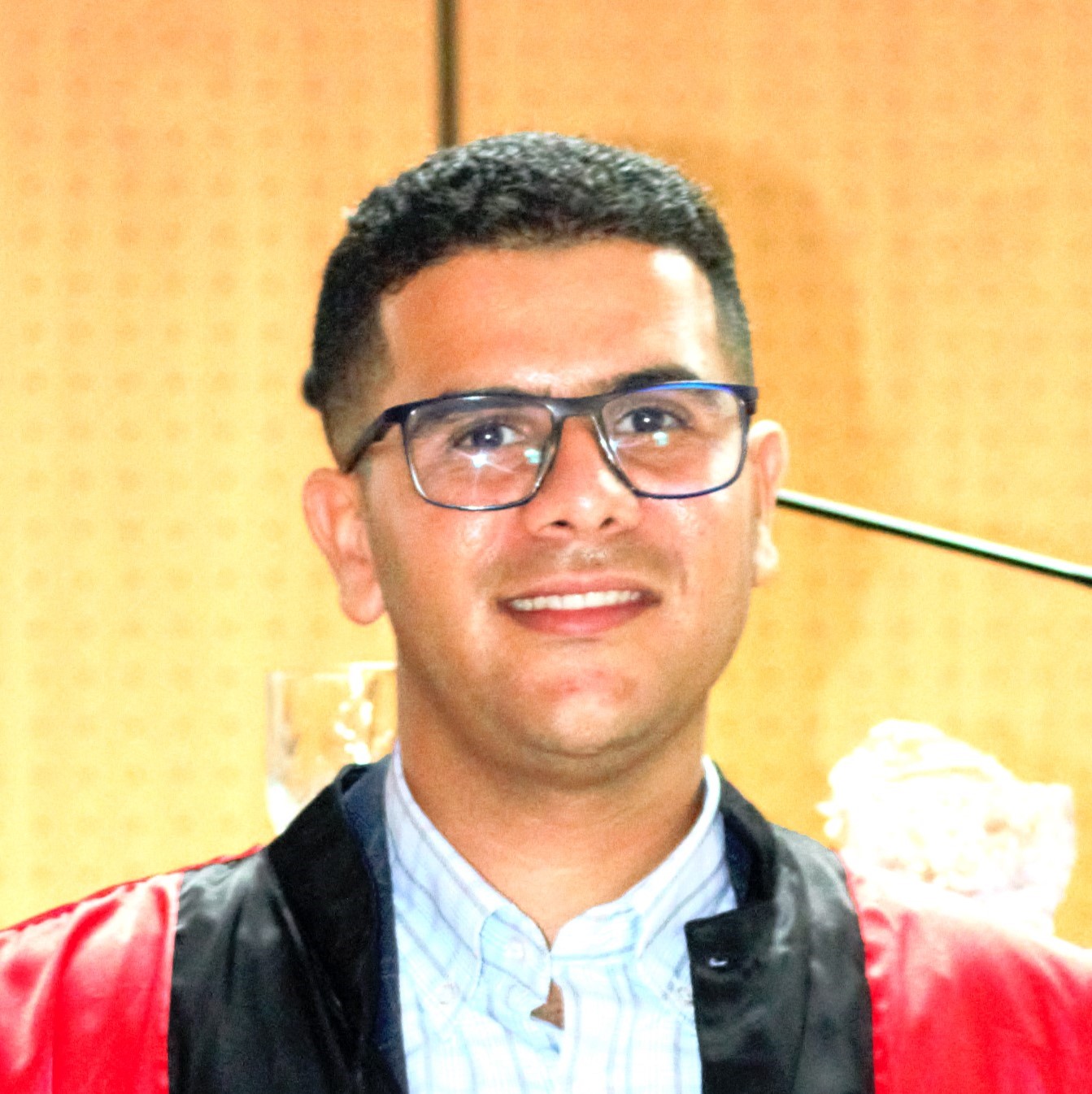
حاصل على شهادة الدكتوراه في القانون الدستوري وعلم السياسة بجامعة محمد الخامس- الرباط. للباحث مجموعة من
الأوراق البحثية المحكمة، ومقالات الرأي، لها صلة بمواضيع الدولة والديمقراطية والشعبوية والحركات الإسلامية وقضايا الشباب. اشتغل مع مجموعة من مراكز الأبحاث ومؤسسات المجتمع المدني في إطار الاستشارة، كما شارك في دورات تكوينية وندوات وملتقيات علمية، وطنية ودولية.
He has a PhD in Constitutional Law and Politics at Mohammed V University, Rabat. The researcher has a collection of trusted papers, opinion articles, relevant to the subjects of the State, Democracy, Popularity, Islamic movements and youth issues. He worked with a group of research centres and civil society institutions in the framework of consultations, and participated in formative courses, symposiums and scientific forums, national and international.